.png)
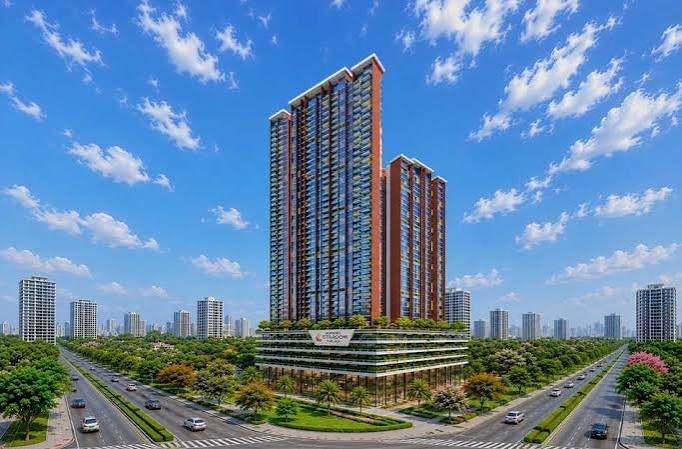
Imagine zipping from Malad to Bandra in under 30 minutes, or reaching the airport in just 15 minutes. That's the magic of the Western Express Highway (WEH) — Mumbai's most important north-south corridor. For decades, this 25-kilometre stretch has been the backbone of the city's western suburbs, connecting homes, offices, and dreams.
But the WEH isn't just a road. It's a lifeline for millions of Mumbaikars, a catalyst for real estate growth, and a symbol of the city's relentless expansion. In this blog, we'll explore the fascinating story of the Western Express Highway — from its humble beginnings in the 1970s to its current status as Mumbai's most sought-after real estate corridor.
The Story Behind the Western Express Highway
When was the Western Express Highway built? The construction of the WEH began in the early 1970s, a time when Mumbai was grappling with severe traffic congestion on its narrow arterial roads. The government envisioned a high-speed corridor that would connect the northern suburbs of Dahisar to Bandra in the south. By 1978, the initial 4-lane stretch was thrown open to the public, forever changing the way Mumbaikars travelled.
Over the next five decades, the WEH underwent multiple transformations:
- 1980s: The highway was widened and several flyovers were constructed to ease traffic at key intersections.
- 1990s: The road was expanded to 6 lanes, and the iconic Bandra-Worli Sea Link project was initiated.
- 2000s: The WEH became the preferred route for thousands of daily commuters, with the addition of new entry and exit points.
- 2010s–2020s: Intelligent traffic management systems, metro integration, and further widening have made the WEH a world-class thoroughfare.
Today, the WEH handles over 2 lakh vehicles daily, making it one of the busiest highways in India.
Why the WEH is the Lifeline of Mumbai's Western Suburbs
The Western Express Highway is much more than a road — it's the nervous system of Mumbai's western suburbs. Here's why it's so important:
- Unmatched Connectivity: The WEH connects Dahisar in the north to Bandra in the south, with seamless access to the airport, BKC, and South Mumbai via the Bandra-Worli Sea Link.
- Commercial Density: Major business hubs like Mindspace Malad, Goregaon's Film City, Andheri's SEEPZ, and BKC are all located along the WEH corridor.
- Metro Integration: Multiple metro lines (Lines 1, 2, 7, and the upcoming Line 6) run parallel or intersect the WEH, offering multi-modal connectivity.
- Real Estate Hotspot: The WEH corridor is home to some of Mumbai's most expensive and sought-after residential properties.
Commercial Hubs Along the WEH — Where Mumbai Works
The Western Express Highway is flanked by some of Mumbai's largest employment centres. This commercial density is what makes the WEH corridor a real estate goldmine.
- Mindspace Malad: Home to global IT giants like Accenture, Capgemini, and Cognizant, this business park employs thousands of professionals who prefer to live in nearby Malad East.
- Goregaon East: Film City, Oberoi Business Park, and several media and entertainment companies make Goregaon a major employment hub.
- Andheri East: SEEPZ, MIDC, and the international airport — Andheri is the commercial heart of the western suburbs.
- Bandra-Kurla Complex (BKC): Mumbai's premier financial district is just a short drive via the WEH and Sea Link.
- Powai & Vikhroli: With the upcoming Metro Line 6, these areas will become even more accessible from the WEH corridor.
This concentration of employment hubs creates a consistent demand for housing along the WEH, making it a wise choice for both end-users and investors.
How the WEH is Transforming Mumbai Real Estate
If there's one factor that has consistently driven property prices in Mumbai's western suburbs, it's the Western Express Highway. Here's why properties along the WEH always command a premium:
- Time Savings: In a city where commuting can take hours, living near the WEH is a game-changer. Reduced travel time means more time with family and less stress.
- Appreciation Potential: Properties along the WEH corridor have historically appreciated faster than the Mumbai average. This trend is expected to continue with upcoming infrastructure projects.
- Rental Demand: The presence of IT parks and corporate offices ensures a steady stream of tenants, making it an attractive option for investors.
- Quality of Life: Easy access to schools, hospitals, malls, and entertainment venues makes life along the WEH corridor more convenient.
Upcoming Projects That Will Boost the WEH Corridor
🚇 Metro Line 6 — The Swami Samarth Nagar to Vikhroli metro line will connect the WEH to the eastern suburbs, creating a complete north-south-east-west connectivity grid. This will further boost property values in areas like Malad East.
Other notable projects include the widening of key junctions on the WEH, new flyovers to reduce congestion, and the implementation of smart traffic management systems to ensure smooth traffic flow.
Malad East — The Smart Choice on the WEH
Among all the suburbs along the Western Express Highway, Malad East stands out as the sweet spot for homebuyers and investors. Here's why:
- Strategic Location: Malad East offers direct access to the WEH, with seamless connectivity to the airport (15 minutes), BKC (30 minutes), and South Mumbai (40 minutes via the Coastal Road).
- Commercial Proximity: Mindspace Malad, Goregaon, and Andheri — three of Mumbai's largest employment hubs — are just minutes away.
- Metro Connectivity: Metro Line 7 (Andheri East – Dahisar East) has stations in Malad East, providing quick access to the western suburbs.
- Affordable Entry Point: Compared to Andheri or Goregaon, Malad East offers more accessible property prices with higher appreciation potential.
- Excellent Social Infrastructure: Reputed schools, multi-speciality hospitals, and shopping malls are all within easy reach.
Your WEH Investment Checklist
Before investing in a property along the Western Express Highway, make sure it checks these boxes:
Looking for a project that meets all these criteria? Explore L&T Ahana — a premium residential project in Malad East offering world-class amenities, strategic location, and the trusted L&T legacy.
Final Thoughts — Why the WEH Matters for Your Future
The Western Express Highway is more than just a road. It's the spine of Mumbai's growth, connecting people to opportunities, families to homes, and dreams to reality. Whether you're a first-time homebuyer, a seasoned investor, or a professional looking for a convenient commute, the WEH corridor offers something for everyone.
And at the heart of this corridor lies Malad East — a suburb that perfectly balances connectivity, affordability, and growth. If you're considering a home in Mumbai, Malad East on the WEH should be at the top of your list.
Explore More L&T Malad Guides
Frequently Asked Questions
1. When was the Western Express Highway built?
The Western Express Highway (WEH) was constructed in phases starting from the 1970s. The initial stretch between Dahisar and Bandra was completed in 1978, with subsequent expansions and widening projects carried out in the 1980s, 1990s, and 2000s. Today, the WEH is a 25-kilometre, 6-to-8 lane arterial road serving as Mumbai's primary north-south corridor.
2. How does the Western Express Highway benefit Malad East residents?
Malad East offers direct access to the WEH, providing seamless connectivity to the airport (15 minutes), BKC (30 minutes), and South Mumbai (40 minutes via the Coastal Road). The highway significantly reduces commute times, making it a preferred location for professionals and families.
3. What are the major commercial hubs along the WEH?
Key commercial hubs include Mindspace Malad, Goregaon East (Film City, Oberoi Business Park), Andheri East (SEEPZ, MIDC), and BKC. These hubs drive residential demand and rental yields in the area.
4. Is property along the WEH a good investment?
Absolutely. Properties along the WEH corridor have historically appreciated faster than the Mumbai average, driven by connectivity, commercial density, and upcoming infrastructure projects. Malad East, in particular, offers strong growth potential.
5. What upcoming infrastructure projects will impact the WEH corridor?
The Mumbai Coastal Road (Phase 2) and Metro Line 6 are the two most significant projects. The Coastal Road will reduce travel time to South Mumbai, while Metro Line 6 will connect the WEH to the eastern suburbs, creating a seamless transit network.
6. How does Malad East compare to other WEH suburbs like Andheri or Goregaon?
Malad East offers more affordable property prices compared to Andheri or Goregaon, while still providing excellent connectivity, commercial proximity, and social infrastructure. It's an ideal choice for buyers seeking value and growth potential.